

No human, before the last century, has had to contend with a world like what we encounter today; a world made of things like microplastics, radiation, forever chemicals, the internet and communications megastructures, large scale industry, genetic modification, artificial intelligences, and anthropogenic climate change. These planetary kinds of architectures construct environments and encounters, virtual and real, that are in many ways alien and new. They are not going away.
In general, we make sense of our planet by neatly filing things into the categories of the ‘Natural’, the ‘Artificial’, or the ‘Human’ and ‘Everthing Else’. This is no longer sufficient for understanding the way the planet is today. Those sense-making frameworks have been inherited from a time where many of the conditions we confront simply didn’t exist.
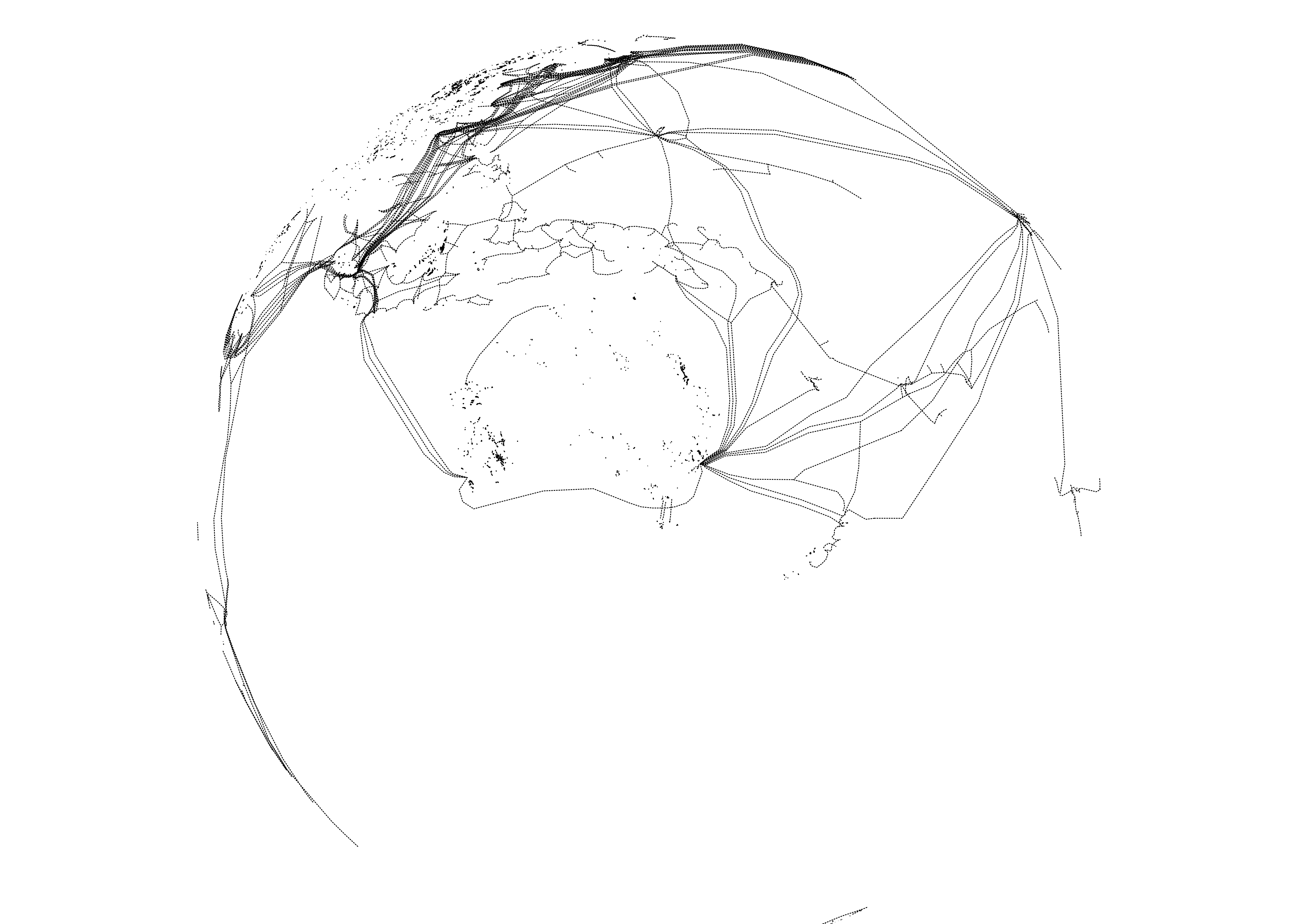
Today our lives are connected and dispersed through the planetary scale infrastructures of undersea cables, satellites, personal devices, and the incomprehensibly vast and extractive industry that powers and materialises it all. This infrastructure influences our planet’s ecologies and climate, while our feelings and behaviours are influenced by the digital content we digest. These technical systems do everything from observing every inch of the planet in high resolution from space to influencing who we love. The outcomes of their functioning are as much technical as they are genetic, climatic, viral, biological, chemical, political, personal and philosophical.
As we send high tech satellites into space we discover in exquisite amounts of detail the looming threats of human induced climate change.
As we build more and more powerful scientific apparatus, we discover that most of our ‘human’ cells are actually piloted by tiny non-human microbes eating and copulating and zipping around our intestinal, dermatological, orificial cosmopolitan insides.
These discoveries exemplify the embeddedness of human bodies and minds in the ‘Nature’ that the old thought-frameworks of modernism have tried so hard to separate us from. These concepts of the ‘Natural’ and ‘Artificial’, are so entangled that they no longer effectively articulate our experiences. What is Human, what is Technological, and what is Natural, can no longer be seperated. We must search for new ways of describing the planet, and of describing what it is to be Human.
New concepts and ways of describing the planet could elicit new ways of designing, creating, building and thinking. We must look closer at what ecologies and aesthetics emerge from these technological, cultural, animal, microbial, vegetal, computational conglomerates we find inhabiting our world now. We must find ways to build better relationships between humans and technology, between humans and our planet.
How to be a co-conspirator with the machine? How to be microbial clouds of human and non-human co-creators of life and living?
The future arrived far sooner than we had the words to describe, or the thoughts to think. What you will find in the following writings are attempts to narrate encounters with these new kinds of objects and landscapes in our world which have emerged or been discovered mostly in recent history, some attempts to dig deeper into how certain historical frameworks of thought begin to fall apart in their presence, and maybe even wild gestures towards something new.
How to navigate our cyborgian alien planet, how to confront a changing climate, how to understand the ecologies of our technologies, are all part of the question of how to be human.
If you are intrigued, add your virtual address in the sign up box and I will personally deliver regular ponderings of these experiences and forays.